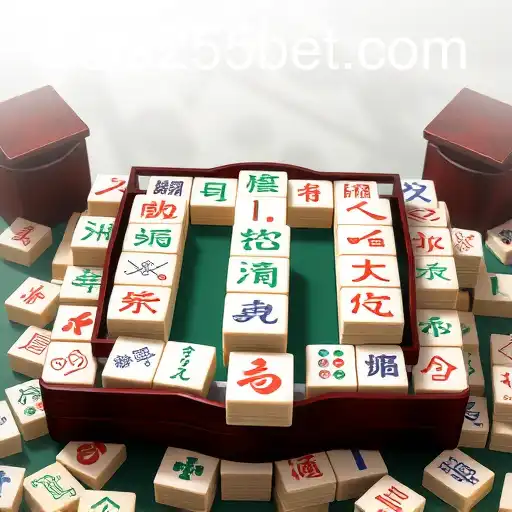
Understanding the Rich History of Mahjong
Mahjong is not just a game; it is a symbol of cultural identity and historical complexity that has traversed borders and transcended time. Originating in China, Mahjong has captured the imaginations of people worldwide, becoming a beloved pastime shared across generations. Although its exact origins remain a subject of historical debate, the game is believed to have been developed around the mid-19th century.
The Basic Structure of Mahjong
At its core, Mahjong is played with a set of 144 tiles based on Chinese characters and symbols. The mechanics involve drawing and discarding tiles with the objective of forming a winning hand. The game's intricate rules and the need for strategic thinking have often been likened to a game of chess, providing both mental challenges and delightful engagement for its players.
The Cultural Impact of Mahjong
Mahjong’s cultural influence is profound, providing a bridge between generations. The game is often played during family gatherings and festivals, reinforcing traditions and fostering community bonds. Its popularity has led to international adaptation, with regions developing their own versions and rulesets.
The Global Spread of Mahjong
As Mahjong spread worldwide, it gained enthusiasts who adapted and modified the game to suit their regional sensibilities. In the United States, the introduction of Mahjong occurred in the early 20th century, gaining popularity particularly in the 1920s. American Mahjong developed its own distinctive rule set, incorporating the use of scorecards and introducing new elements to the game.
Mahjong's Role in Contemporary Culture
In contemporary times, digital platforms like 255Bet.COM have embraced the game, offering interactive experiences that replicate the intricate dynamics of Mahjong. These platforms contribute to the game's accessibility, allowing new generations of players to explore its depths online. The fusion of traditional gameplay with modern technology highlights Mahjong's adaptability and enduring appeal.
Mahjong in Popular Media
Mahjong has been depicted in various forms of media, from literature to film, often used as a metaphor for strategy and complexity in human relationships. Movies and television shows frequently portray Mahjong scenes to highlight cultural settings or character dynamics, solidifying its place in the global cultural narrative.
The Social Element of Mahjong
Beyond the game itself, Mahjong serves as a social conduit, bringing people together. The communal aspect of Mahjong is evident in Mahjong parlors where players gather to test their skills and enjoy camaraderie. These settings foster social interaction and create a sense of belonging among players.
Learning and Mastery
Learning Mahjong is a journey that requires patience and practice. Mastery involves understanding not only the rules but also the subtle strategies that can be employed to outwit opponents. Players need to cultivate skills in pattern recognition, memory, and mathematics.
Conclusion
The game of Mahjong is more than just entertainment; it is a reflection of cultural history and human connection. Its resilience and ability to evolve with the times underscore its place as a timeless classic in the world of games. Whether played in traditional circles or on digital platforms like 255Bet.COM, Mahjong continues to captivate and inspire players worldwide.